Building a Drone Service Business from Your Equipment and Certification
You already hold an FAA remote pilot certificate and own a capable drone. That combination can become a steady revenue stream if you treat it as a service business rather than a series of one-off flights. The difference between a hobbyist who occasionally sells footage and a professional service provider lies in how you manage the entire data workflow, from capture to client delivery.
This article walks through the practical steps to set up a drone service business, with an emphasis on the systems and habits that make repeat clients and predictable income possible. Each step covers what to do and what to watch for.
Step 1: Define the services you will offer
Start by deciding which types of capture work match your equipment and your local market. Common categories include real estate photography, roof and building inspections, agricultural field mapping, construction progress monitoring, and event coverage. Each requires different flight patterns, camera settings, and post-processing skills.
Pick two or three service types you can deliver well. Trying to offer everything spreads your practice time thin and makes it harder to build a reputation. For example, if you own a thermal camera, inspection work for solar arrays or building envelopes might be a natural fit. If you only have a standard RGB camera, real estate photography and basic orthomosaic mapping are strong starting points.
What to watch: Do not overpromise on deliverables you have not yet tested. If you have never processed a thermal dataset into a usable report, learn that workflow before you sell it to a client. A failed first job can cost you referrals for years.
Step 2: Create a clean client deliverable workflow
A professional deliverable is more than a set of raw images dumped into a cloud folder. Clients expect organized data, clear labels, and a format they can actually use. For a real estate agent that might mean a polished video tour with music and transitions. For a construction firm it could be a georeferenced orthomosaic that overlays onto their CAD drawings.
Build a repeatable pipeline on your computer. After each flight, transfer the media to a project folder named with the date and client. Process images or video using a consistent preset or template. Export the final files in a resolution and format the client requested. Then upload the deliverables to a shared hosting location where the client can download them without needing an account or special software.
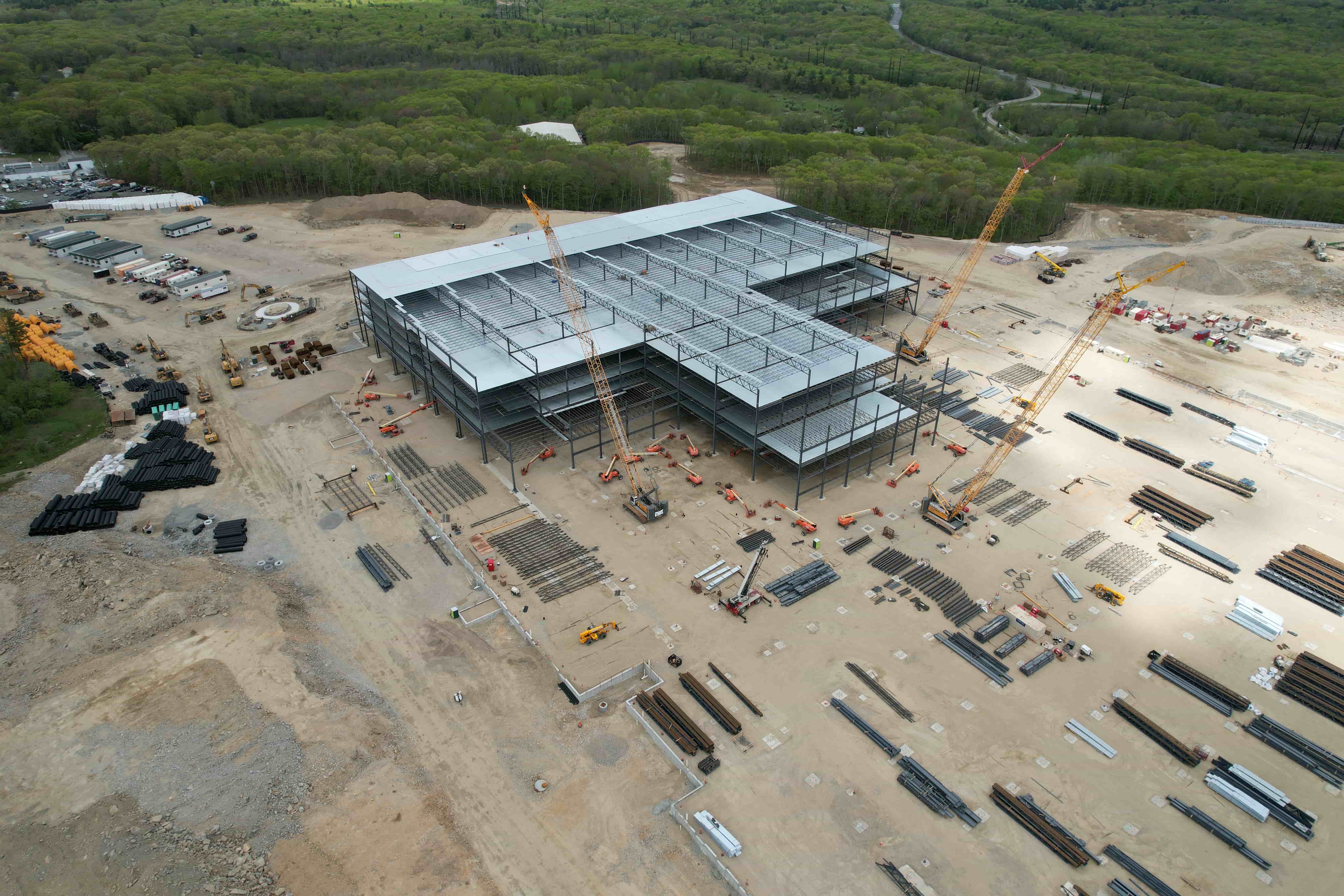
What to watch: File sizes add up quickly. A single mapping project can produce hundreds of images and a final orthomosaic that is several gigabytes. Make sure your internet upload speed and cloud storage plan can handle that volume without cutting corners on quality. Also, keep raw files for at least 30 days after delivery in case the client asks for a different crop or format.
Step 3: Set up project hosting and client reporting
When you deliver data to a client, you are also delivering an experience. A well-organized project page with thumbnails, an interactive map, or a simple report makes you look professional and trustworthy. Many drone service providers use a platform that hosts the processed data and lets the client view it in a browser. This approach works especially well for mapping and inspection jobs where the client wants to zoom in on specific areas.
Your account setup should include a folder structure for each project, a way to share a link with the client, and a method to track whether they have viewed the deliverable. Some platforms also offer built-in annotation tools so the client can mark areas of interest directly on the map or image. That feedback loop saves you from back-and-forth emails about what they want changed.
What to watch: Do not assume every client is comfortable with a complex web viewer. Some will prefer a simple PDF report or a zip file of JPEGs. Ask at the start of the project how they want to receive the final product. You can always offer the advanced viewer as an option and the simple format as the default.
The whole process from capture to client sign-off is what the industry calls drone client delivery. Getting that chain right - from flight planning through processing, hosting, and reporting - is what separates a reliable service from a one-time sale. Pay attention to each link in the chain because a weak one can cause delays or unhappy clients.
Step 4: Build service packages that make sense
Clients appreciate knowing what they will get and what it will cost before they commit. Rather than quoting each job from scratch, design two or three service packages. Each package should list the capture time, the number of deliverables, the format, and the expected turnaround.
For instance, a basic real estate package might include a single listing shoot with 10 still images and a 60-second video clip. A premium package could add a 3D model, a virtual tour, and a same-day delivery. For inspection work, a standard package might cover a visual inspection with a written report and annotated photos, while a premium package adds thermal data and a full analysis.
What to watch: Leave room in your packages for custom work. Some clients will need something you have not anticipated, such as a time-lapse sequence or a night shoot. Have a clear hourly rate or project fee for custom requests so you do not lose money on scope creep.
Step 5: Market your service to the right audience
Your certification and equipment are credentials, but they do not sell themselves. You need to get in front of the people who hire drone services. Start with local real estate agents, property managers, construction companies, and agricultural consultants. Attend industry meetups, join local business groups, and offer to do a free sample shoot for a potential client who is on the fence.
Build a simple portfolio website that shows your best work for each service type. Include a clear call to action, such as a contact form or a phone number. Keep the site updated with recent projects. Social media can help, but a targeted email to a property manager with a link to a relevant sample often works better than a generic post.

What to watch: Do not rely on word of mouth alone. Many good drone pilots never get their second job because they never actively marketed after the first one. Set a recurring schedule for outreach, such as contacting five new potential clients each week. Track who you contact and what they respond to, so you can refine your pitch over time.
Step 6: Handle the business side cleanly
Running a service business means managing invoices, contracts, insurance, and taxes. Use accounting software or a simple spreadsheet to track income and expenses. Write a simple service agreement for each job that covers the scope, deliverables, timeline, payment terms, and liability. Even if you trust the client, a written agreement protects both of you.
Insurance is essential. Most commercial drone operators carry liability insurance that covers damage to property or injury to people. Check with your insurance provider that your policy covers the specific types of work you plan to do. Some clients, especially larger companies, will require proof of insurance before they let you on site.
What to watch: Payment terms matter. Set clear expectations about when you will be paid. Many service providers ask for a deposit before the flight and the balance on delivery. If a client is slow to pay, have a friendly but firm follow-up process. Chasing payments takes time away from flying and growing your business.
Successful drone client delivery is not just about flying well. It is about reliability, communication, and consistency. When a client knows that your data will arrive on time, in the right format, and with a clear report, they will come back and they will tell others. Build your operations around that promise, and you will turn your certification and equipment into a sustainable service business.